The importance of understanding your swimming surroundings
Swimming can offer many positive social, mental and physical health benefits for people of all ages, whether taking place in a swimming pool, lake, ocean or other body of water. However, it is imperative to understand your swimming surroundings to support a safe and enjoyable experience for all, as each setting can contain many kinds of hazards. Common water safety hazards relevant to various settings include:
- Changing weather conditions
- Tidal ocean currents and river currents
- Dangerous structures such as cliff faces, unstable and rocky surfaces
- Water contamination by harmful bacteria, algal blooms, biohazards and more
- Reduced access to first aid and emergency services, when in remote locations
- Other dangerous characteristics of the setting, such as shallow or uneven surfaces, sharp objects, difficult entry and exit points and more.
To help avoid these hazards, be sure to follow these key recommendations before you swim:
Obey all safety signs
Safety signs are there to protect us. Whether it’s indicating strong current, water depths, or hazardous rocks, these signs provide valuable information about potential dangers in the area or pool. Ignoring or neglecting safety signs can lead to accidents or even life-threatening situations.
Tune into weather forecasts and learn to read the weather conditions
Additionally, staying informed about weather conditions such as storms, thunderstorms, or high winds is crucial. Sudden weather changes could impact your swimming and may even make it dangerous to even be in the water.
Know your limits and always be prepared
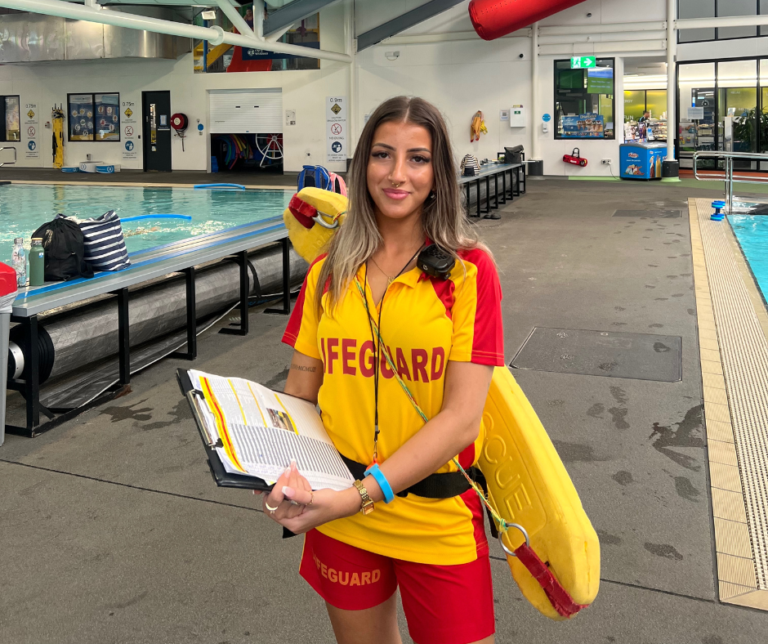
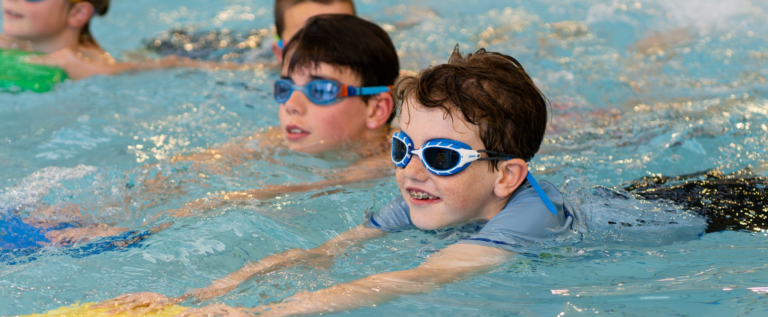
Understanding your swimming abilities and limitations is essential for your safety. If you’re a novice swimmer, swimming between the red and yellow flags on a beach, or swimming in a shallow pool within the watchful eyes of lifeguards, is important. Swimming with a friend could make all the difference if you’re a new swimmer, to ensure help is around when needed. Avoid venturing into deep waters or areas of strong currents even if you are a strong swimmer.
Plan ahead for remote swimming locations
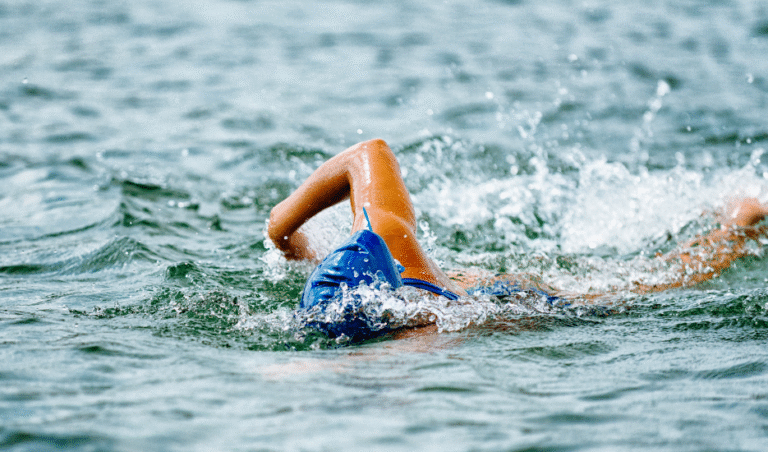
Remote swimming spots can look irresistible and beautiful at times, but it is crucial to consider the hazards they may present. These areas may also lack cellular reception, making it challenging to call for help in case of emergencies. If you decide to swim in a remote location, inform a friend or family about your plans, the expected return time and where you are heading. Additionally, familiarise yourself with the surroundings, potential exit points, nearest emergency services and any specific risks associated with the area.
Consideration of these potential hazards, understanding the environment and some minor preparation ahead of your swimming can help to ensure a safer swimming experience. If you are unsure of anything, ask for a second opinion, seek advice from a relevant information centre or simply play it safe and swim where you know it is safe to do so.